01
Know Your Edge
Strengths, talents and self-awareness coaching. Understand what makes you uniquely effective, where your blind spots sit, and how to use your strengths deliberately.
Gallup CliftonStrengths · strengths overuse · blind spots
I help people build the behavioural capabilities that determine how effectively they understand themselves, communicate, make difficult decisions, manage themselves under pressure and build strong working relationships.
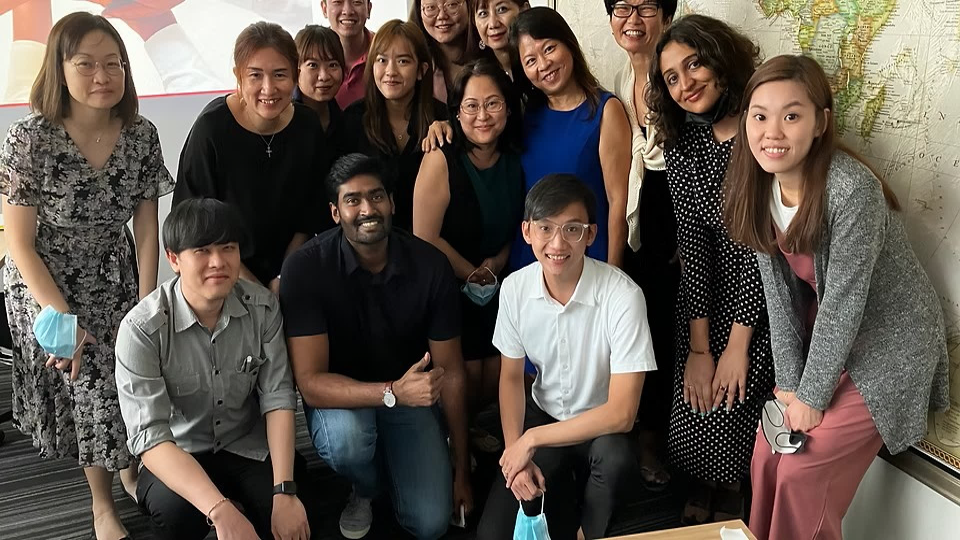

Each offering develops a distinct capability that affects how people function at work. The engagement itself can be customised, but the territory stays clear.
Strengths, talents and self-awareness coaching. Understand what makes you uniquely effective, where your blind spots sit, and how to use your strengths deliberately.
Gallup CliftonStrengths · strengths overuse · blind spotsCommunication and conversational effectiveness coaching. Recognise habitual speaking patterns and learn to adapt deliberately to the person, context and outcome.
Intention vs impact · communication patterns · flexibilityNeuroscience-based decision-making coaching. Understand what pressure does to thinking and regain clarity, perspective and better judgement when stakes are high.
Working memory · flexible thinking · brain-based coachingManage yourself under pressure. Build the self-awareness and emotional regulation needed to stay calm, collected and intentional when situations are demanding.
Triggers · emotional regulation · behaviour under stressManage conflict while preserving relationships. Address disagreement without making it personal, solve the issue and protect trust.
Conflict resolution · difficult conversations · working relationshipsThe capability is clear; the delivery can change. I use the right mix of coaching, training, assessment, facilitated practice and follow-up for the people and situation involved.
Frameworks are useful when they illuminate behaviour. They should never become the work itself.
Clarify the business context, people involved and the behaviour that needs to shift.
Choose the right combination of training, coaching, assessment, facilitation and practice.
Use relevant cases, conversations, decisions and team dynamics rather than generic exercises.
Build behaviour through rehearsal, reflection and application in real work.
Use follow-up, coaching or team practices where the engagement requires it.
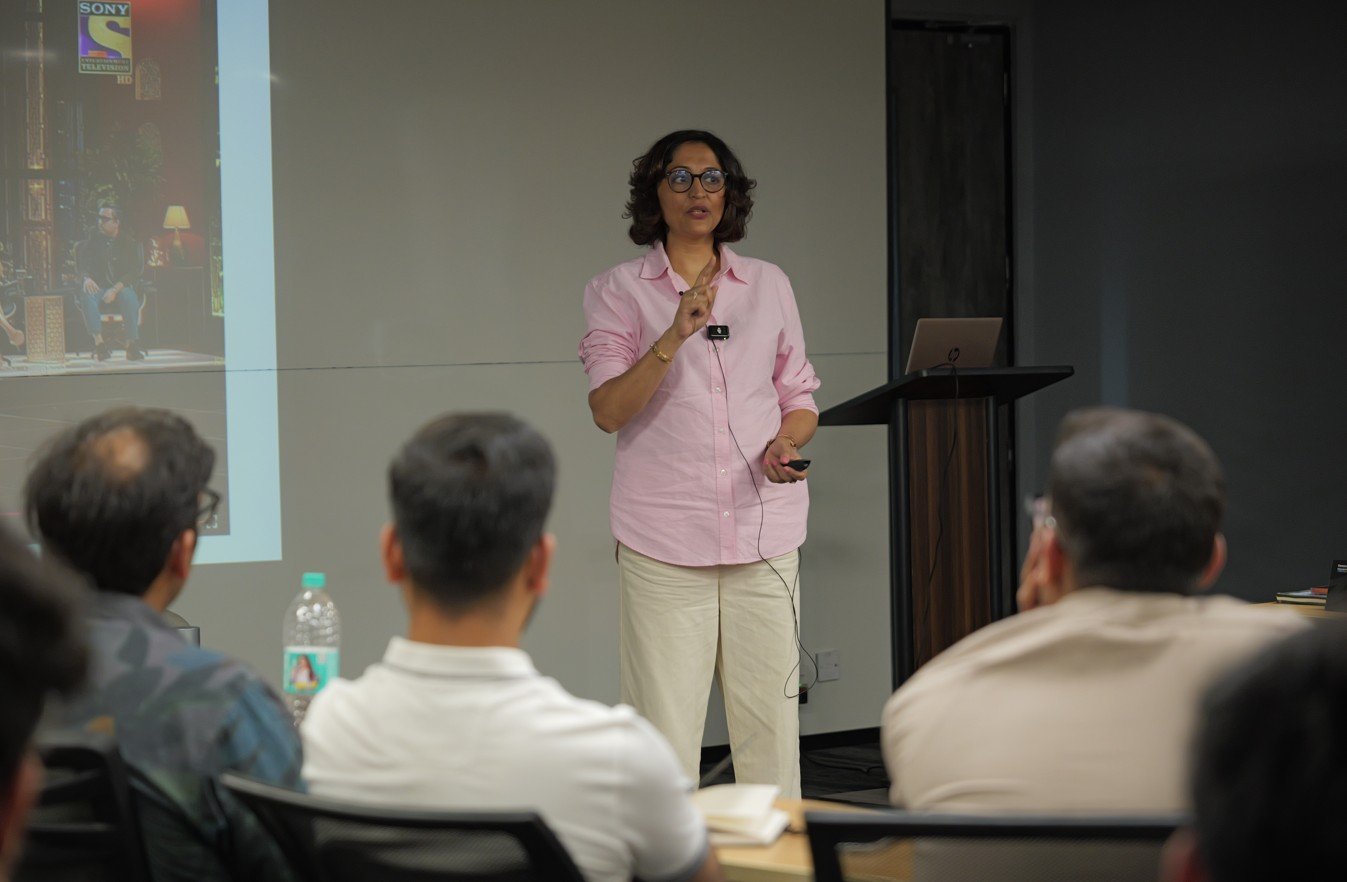
The strongest evidence is observable change: how meetings run, how feedback lands, how conflict is handled and how people collaborate afterwards.
It gave me a framework… I’ve changed how I run meetings. Her questions were challenging, but kind.
Each featured engagement is structured around the situation, what Yamini did, and what changed afterwards. Named client detail is used where permission exists.
Client and institutional experience appears near the top of the page so corporate buyers can verify credibility without hunting for it.
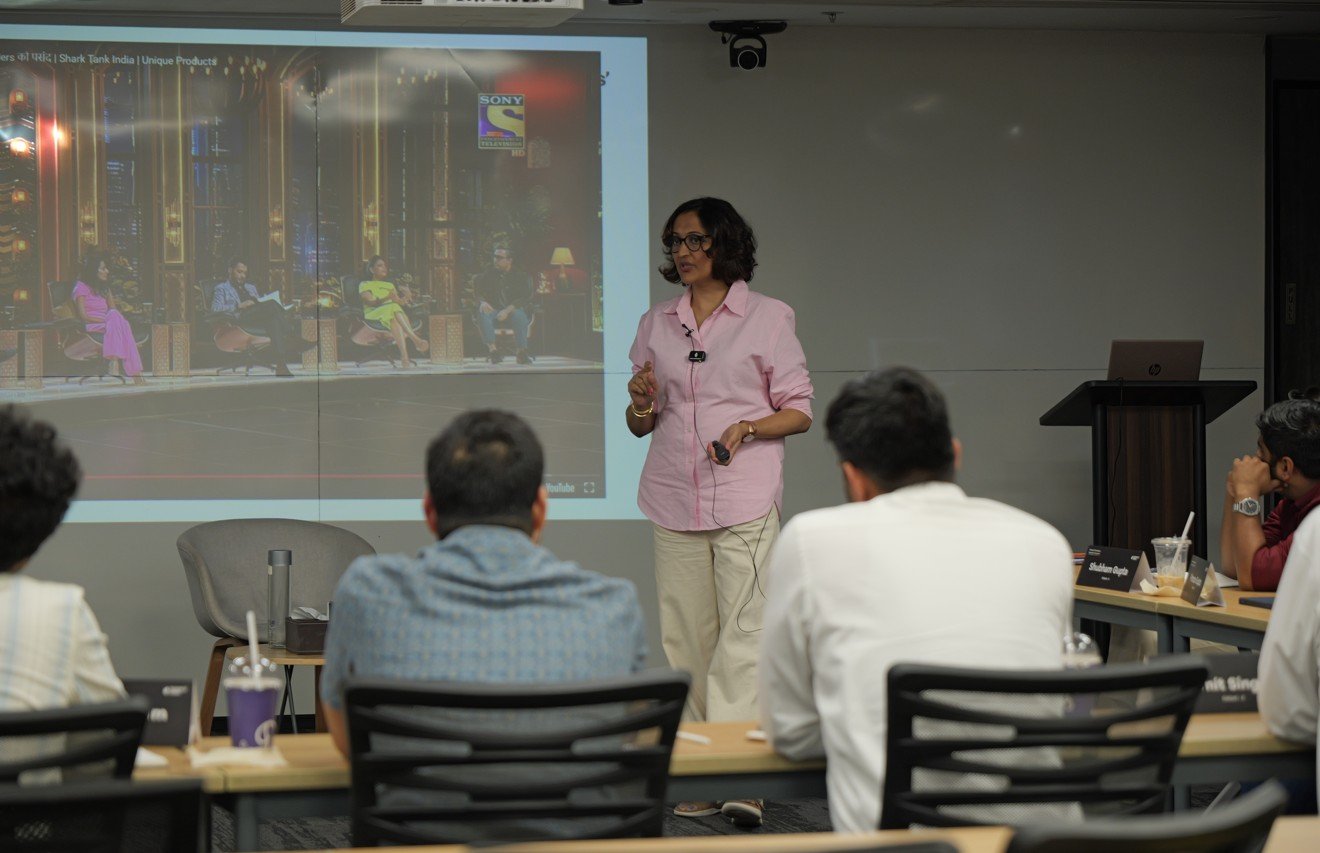
Yamini’s academic work is a distinct part of the practice, combining organisational experience with teaching and coaching. Engagements can include full modules, guest lectures, short intensives, workshops and executive education.
I’ve worked inside organisations, led brand and team responsibilities, moved into learning and development, taught in universities, and spent years developing leaders and teams. That mix shapes how I work: commercially grounded, behaviourally specific and practical in the room.
My role is not to overwhelm people with frameworks. It is to help them understand what is happening, see the pattern clearly and practise a better response.
A small body of strong, argument-led writing can support authority and search without turning the site into a content machine.
A practical look at intention, interpretation and the moment communication starts to drift.
Discuss this topic →Strengths are most useful when people can see both their contribution and their overreach.
Discuss this topic →Decision quality is behavioural. Under load, attention narrows and default responses get louder.
Discuss this topic →Tell me the business, leadership or teaching context. I’ll come back to you with the most useful next step, whether that is a customised intervention, 1:1 work or an academic collaboration.